The Clubhouse Model
A clubhouse is a community-based location designed to support the recovery of people living with serious mental illness (SMI). Each clubhouse provides a restorative environment for people whose lives have been severely disrupted because of their mental illness.
Members have access to crisis intervention services when needed and are connected with resources to support their basic needs, including support with employment, relationship building, education, accessing housing, and accessing affordable food. Membership is completely free as are all of the offered services and courses.
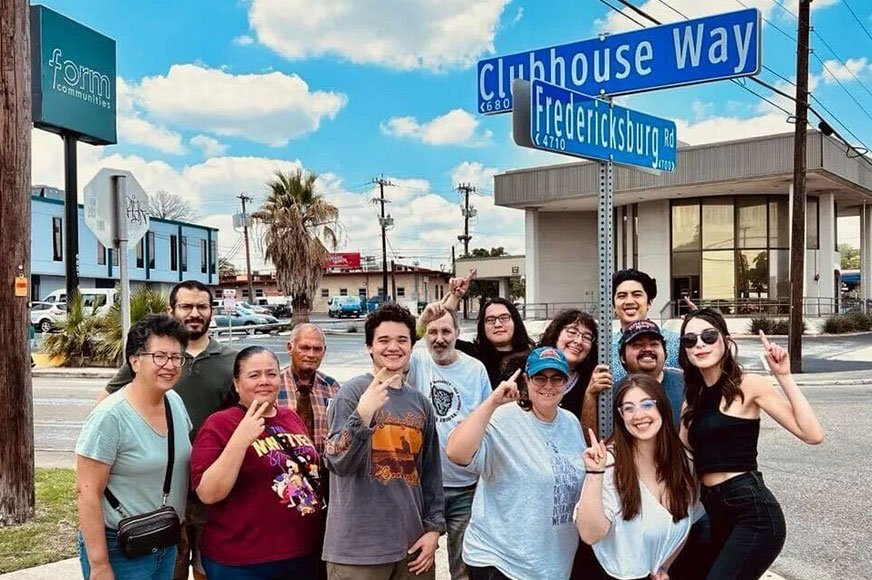
The Clubhouse model of psychosocial rehabilitation is a community-based approach to mental health recovery where members and staff work side-by-side as colleagues. Instead of traditional therapy, members participate in the daily operations of the clubhouse including everything from preparing meals to managing community outreach. People with mental health issues have been shown to thrive in these environments; building skills, connections, and confidence through meaningful work. It's peer-driven, voluntary, and focused on strengths rather than symptoms.
At Foot Print to Success Clubhouse, we’re deeply committed to the Clubhouse model because we see the impact every day. Studies show that Clubhouse members gain stronger social networks, more employment prospects, and accrue fewer hospital stays.†
These aren’t just statistics—they reflect real transformation s we see in our members’ lives every day!
Genesis Club 🇺🇸
〰️
Austin Clubhouse, Texas 🇺🇸
〰️
Gateway Clubhouse 🇺🇸
〰️
Fountain House 🇺🇸
〰️
Fontänhuset Helsingborg 🇳🇴
〰️
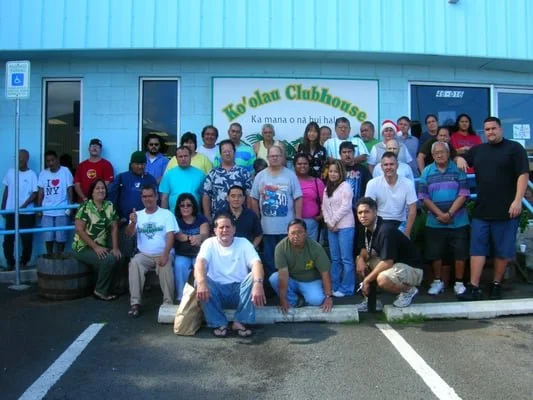
Ko'olau Clubhouse 🇺🇸
〰️
Taiwha Sunrising Clubhouse, Seoul 🇰🇷
〰️
Saebeot Clubhouse 🇰🇷
〰️
Clubhouse Lyon 🇫🇷
〰️
San Antonio Clubhouse 🇺🇸
〰️
Genesis Club 🇺🇸 〰️ Austin Clubhouse, Texas 🇺🇸 〰️ Gateway Clubhouse 🇺🇸 〰️ Fountain House 🇺🇸 〰️ Fontänhuset Helsingborg 🇳🇴 〰️ Ko'olau Clubhouse 🇺🇸 〰️ Taiwha Sunrising Clubhouse, Seoul 🇰🇷 〰️ Saebeot Clubhouse 🇰🇷 〰️ Clubhouse Lyon 🇫🇷 〰️ San Antonio Clubhouse 🇺🇸 〰️